




- Home
- >
- Case
Hainan Banana Plantation Case Study
T-Tape Drip Irrigation Boosts Yields by 50%
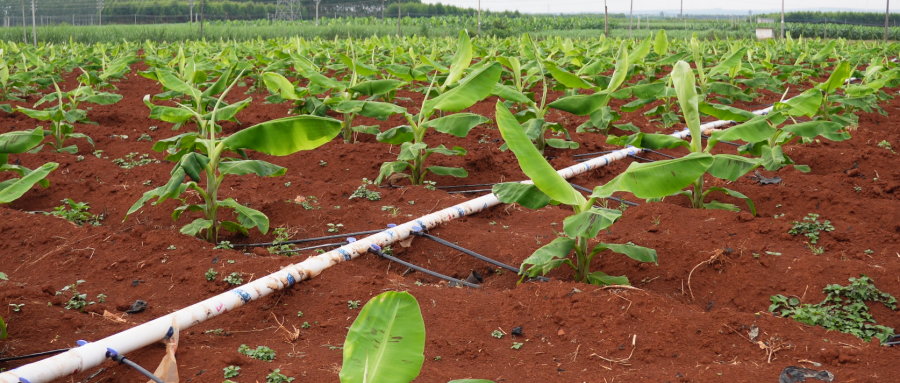
Application Model:
In banana cultivation, the typical layout is “one ridge with two rows, one row per pipe.” Drip irrigation tape (usually thick-walled, longer-lasting drip tubing) is laid near the banana plant roots and connected to a fertilization system (fertilizer applicator/tank) to achieve integrated water and fertilizer management.
A 2000-acre banana plantation adopted Huaxi drip irrigation technology in 2024, yielding key performance metrics:
Water Conservation:
Achieved 30%-50% water savings. Though bananas are water-intensive crops, drip irrigation's precision delivery minimizes deep percolation and surface evaporation common in furrow irrigation.
Fertilizer Savings & Yield Increase:
Through integrated water-fertilizer management, fertilizer utilization rates rise from approximately 30% with furrow irrigation to 60%-70%.
Average yield increases of 20%-40% are achieved. This growth primarily stems from more uniform fruit clusters, longer and thicker bananas, and increased individual fruit weight.
Quality Improvement:
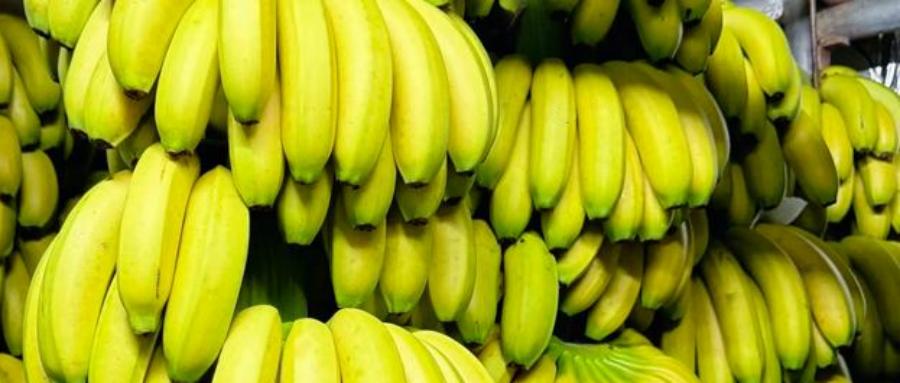
Enhances banana coloration, significantly boosting marketable fruit rates.
Sugar content (soluble solids) typically increases by 1-2 degrees, resulting in superior taste and flavor.
Reduced Disease Incidence and Labor Costs:
Effectively controls field humidity, significantly reducing the incidence of soil-borne diseases such as leaf spot (e.g., black star disease, brown-edged gray leaf spot) and Panama disease (banana wilt) by 30%-60%.
Reduces labor costs for irrigation, fertilization, and pesticide application by over 60%, significantly improving management efficiency.
Reasons for adopting drip irrigation in plantations:
Banana's physiological traits—shallow roots, high water and fertilizer requirements, sensitivity to waterlogging and excessive moisture, and need for uniformity—align perfectly with drip irrigation's core advantages: precision, efficiency, controllability, localized application, and labor savings. For large-scale commercial banana cultivation, drip irrigation has evolved from an “optional technology” to “essential infrastructure.”
Consultation