

- Home
- >
- Case
Xinjiang Hami Melon Success: Mulch Drip + Fertigation Integration
How Xinjiang Hami Melon Farms Optimize Growth with Combined Mulch Drip Irrigation & Fertigation System
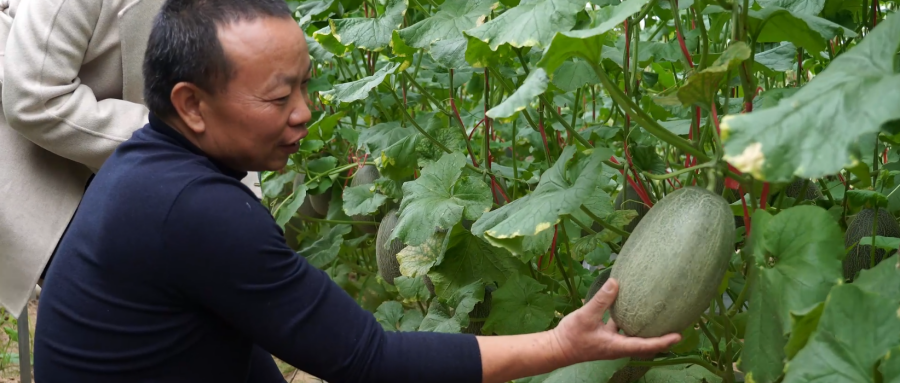
1. Application Model on a 10,000-Mu Hami Melon Base in Xinjiang
For a modern Hami melon planting base of 10,000 mu (approximately 667 hectares), the drip irrigation system is an integrated technological system encompassing intelligent control, fertigation, and standardized agronomy.
-
Core Technology: Intelligent Sub-Mulch Drip Fertigation
-
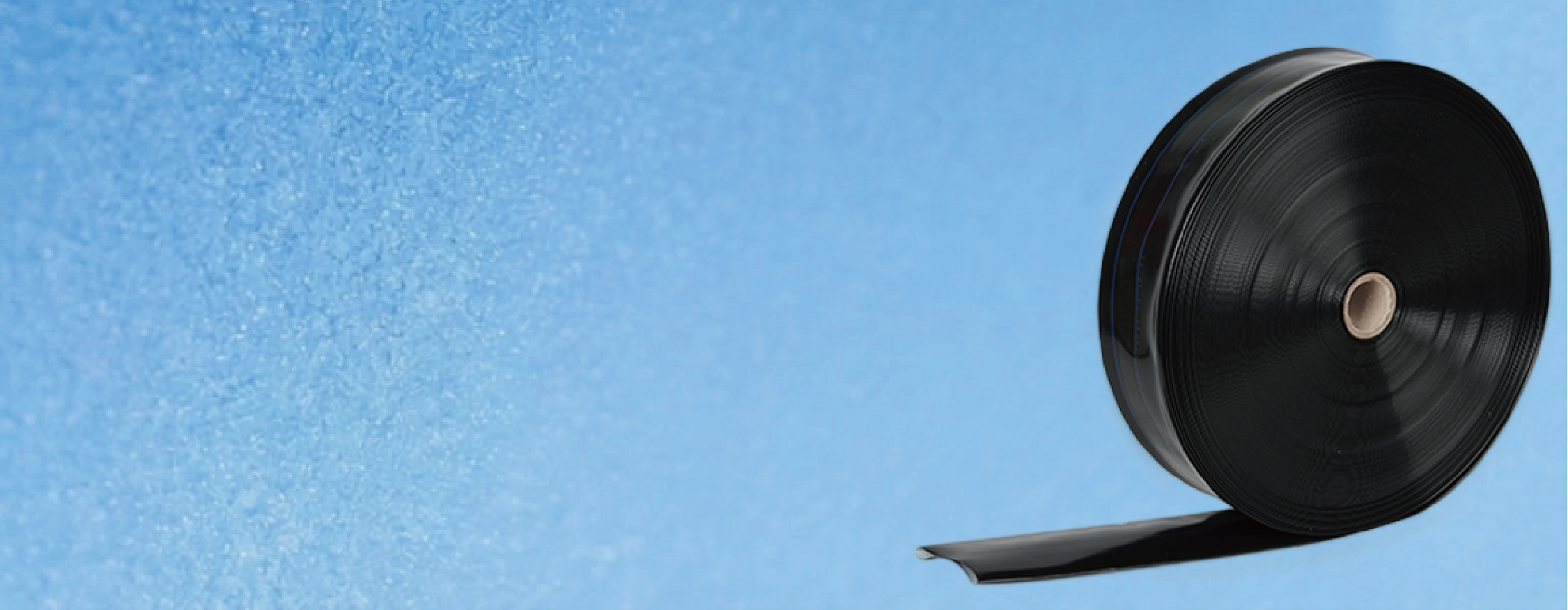
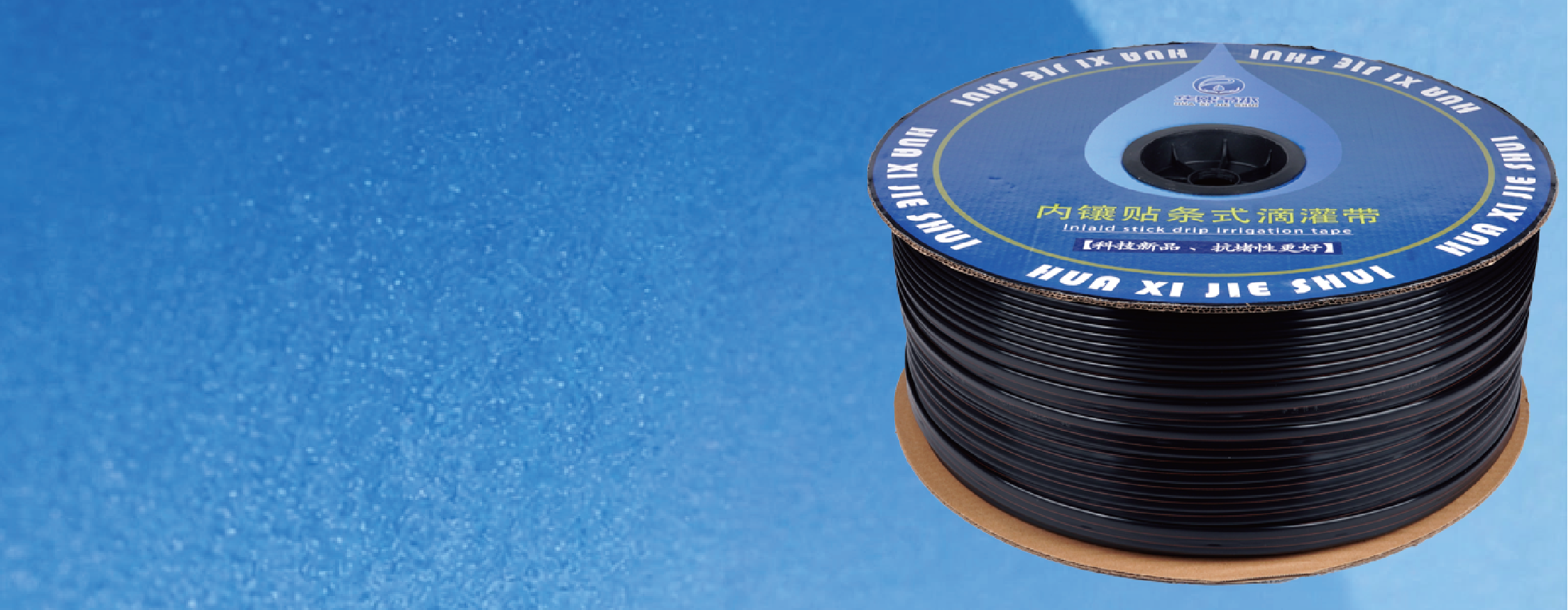
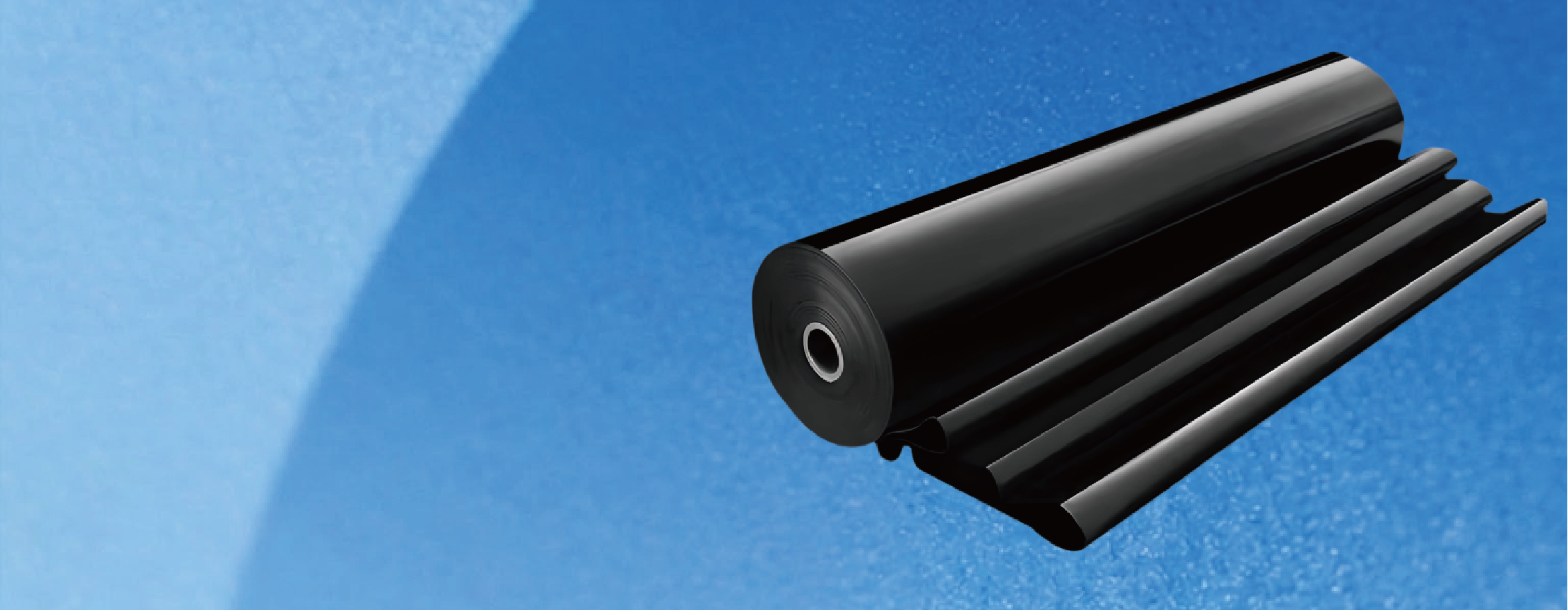
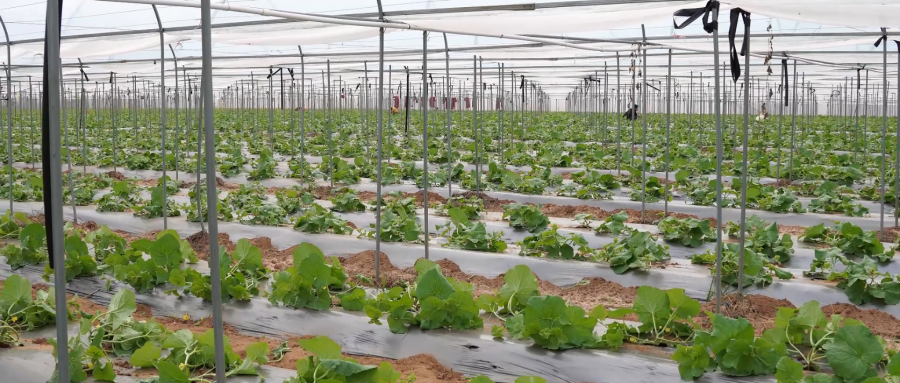
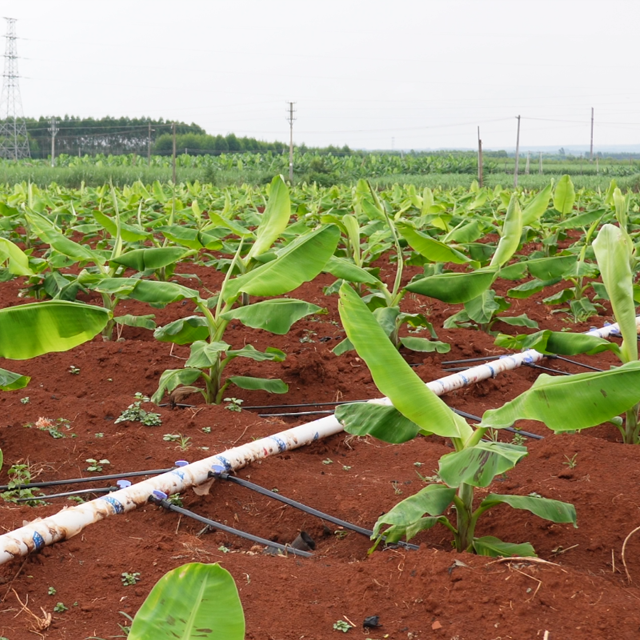
System Composition: The core component is the drip tape (laterals) laid beneath plastic mulch, typically using low-flow emitters (e.g., 1.38-2.0 L/hour) to minimize evaporation and water loss. The system connects to the head control unit (pump, filters, fertilizer injector), distribution pipelines, and solenoid valves in the field.
-
Intelligent Control: The base establishes a smart irrigation management platform. Each irrigation zone is equipped with remotely controllable solenoid valves. Technicians or growers can operate valves, set irrigation schedules, and achieve field-specific automation via a mobile app.
-
-
Management Model: High-Standard & Scalable Agronomy Integration
-
Integrated Water and Fertility Management: Soluble fertilizers are applied through the irrigation system ("fertigation"). Precise irrigation and fertilization schedules are executed based on the crop's water and nutrient requirements at different growth stages (e.g., vine extension, fruit setting, enlargement).
-
Standardized Cultivation: This model integrates drip irrigation, fertigation, mechanized farming, and organic practices, ensuring consistent and efficient management across the large-scale base.
-
2. Achieved Key Performance Data
Compared to traditional flood irrigation, the drip irrigation system delivers significant benefits in water saving, yield increase, quality improvement, and economic return. Data is synthesized from reports in the Xinjiang Hami region.
In addition to increased yield and income, the comprehensive cost for water, fertilizer, and labor was reduced.
Overall irrigation costs decreased by approximately 30%.
Performance Dimension
Key Data Comparison (Drip Irrigation vs. Traditional Flood Irrigation)
Water Saving
The average irrigation water use per mu decreased from ~500 m³ to 284-340 m³, resulting in a water savings rate of 35%-45%.
Yield Increase
The average yield per mu increased from 1.5 to 2 tons to 2.5 to 3 tons, with the marketable fruit rate reaching over 80%.
Quality Improvement
The central fruit sugar content (soluble solids) typically increased by more than 2 degrees Brix. The post-harvest storage period is extended by more than 15 days.
Economic Benefit
|
|
|
|---|
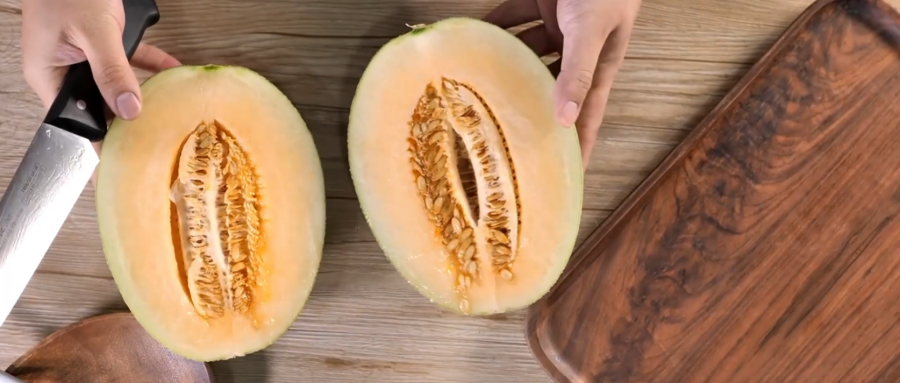
3. Why Drip Irrigation is Recommended for Hami Melon Cultivation
Drip irrigation is particularly critical for Hami melon cultivation due to its seamless integration with fertigation (water-fertilizer integration). This combination delivers unmatched advantages that directly address the crop's core needs:
Precision Nutrition & Demand-Supply Match: Hami melons have rapid, stage-specific demands for water and nutrients, especially during vine growth and fruit enlargement. Fertigation via drip enables precise, simultaneous, and direct application of both to the root zone, dramatically improving nutrient uptake efficiency and supporting vigorous growth.
A Key Tool for Quality Enhancement: Superior sweetness (high sugar content) is the hallmark of quality. Fertigation allows for exact control over water and nutrient supply during the critical fruit bulking and ripening stages. Strategic management, such as slight water stress at the right time, is a proven technique to significantly boost sugar accumulation, making drip fertigation essential for premium fruit quality.
Disease Suppression from the Root Cause: Unlike flood irrigation, which wets the entire field and raises humidity, drip fertigation applies moisture and nutrients only to the root zone. This keeps the soil surface, stems, and leaves dry, creating an unfavorable environment for fungal diseases like stem blight and reducing the need for fungicides.
In essence, for Hami melon, drip irrigation is the most effective delivery system for fertigation, which is itself a non-negotiable practice for achieving high yields, exceptional quality, and economic viability in water-scarce regions.
Consultation