


- Home
- >
- Case
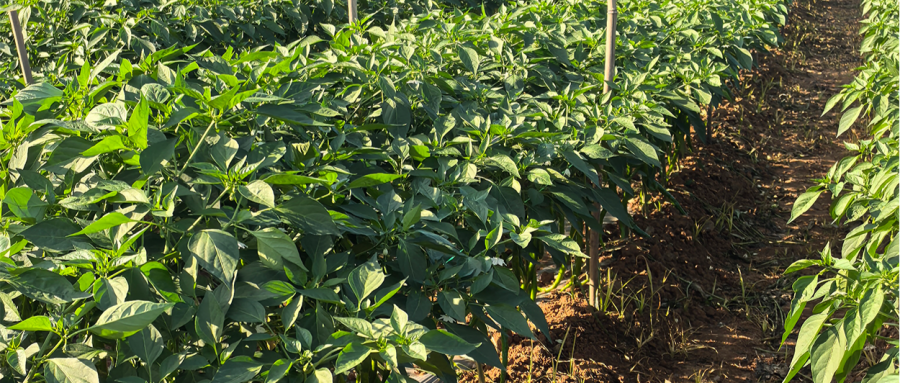
Guangxi Chili Plantation Case
Drip Irrigation + Precision Fertilization Delivers Remarkable Yield Growth
Application Model:
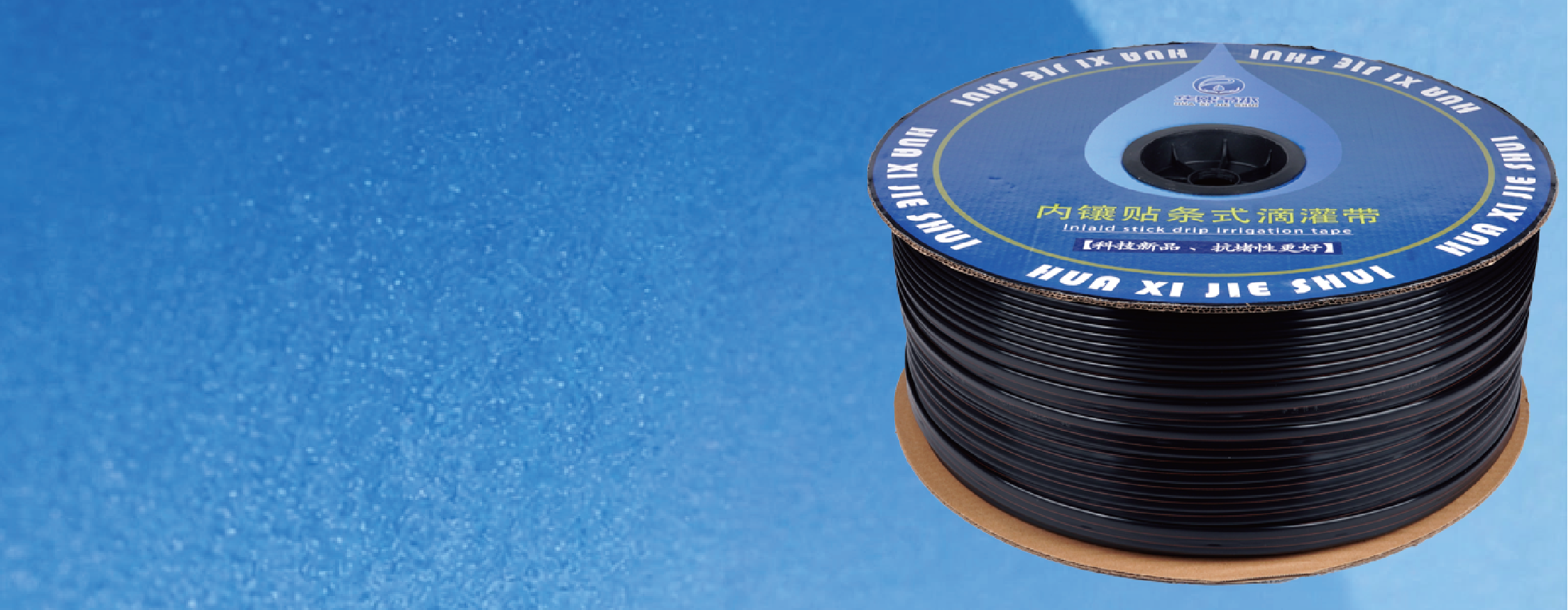
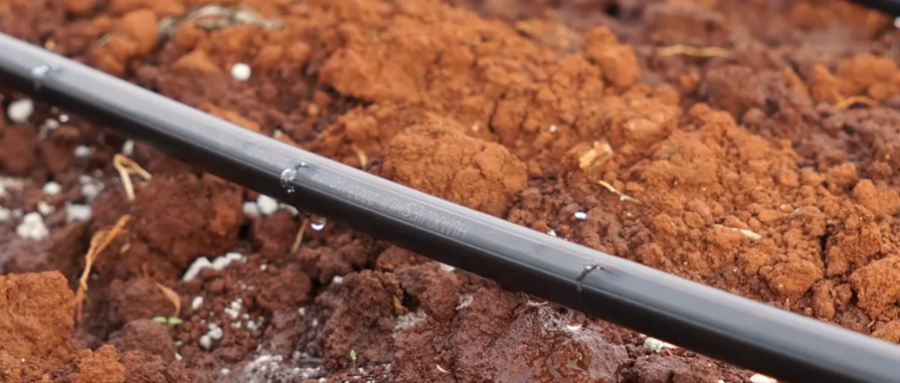
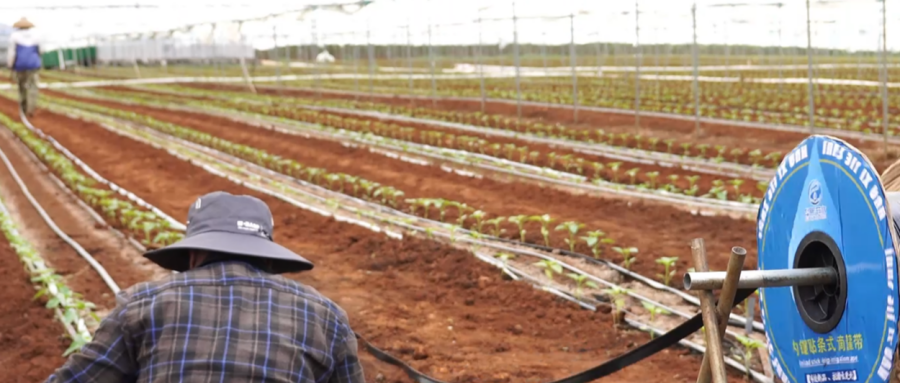
Efficient drip irrigation system design: Adopting the sub-film drip irrigation mode, the drip irrigation tape is laid on the pepper ridges covered with mulching film. Each row of peppers corresponds to a drip irrigation tape, ensuring that water directly and evenly infiltrates into the soil around the crop roots. The system uses a strip-attached drip irrigation tape with good anti-blocking performance, and is equipped with an automatic backwash filter device to ensure long-term stable operation.
Intelligent Integrated Water and Fertilizer Management: The system's head unit integrates an intelligent fertilizer applicator, which can preset multiple nutrient formulas based on the nutrient requirements of peppers during different growth stages (such as the seedling stage, flowering and fruit-setting stage, and peak fruit-bearing stage). Operators can remotely initiate the system with a single click through a mobile phone or computer control center, achieving synchronous, precise, and automated execution of irrigation and fertilization.
The application of this integrated system has brought about comprehensive and precisely measurable positive outcomes:
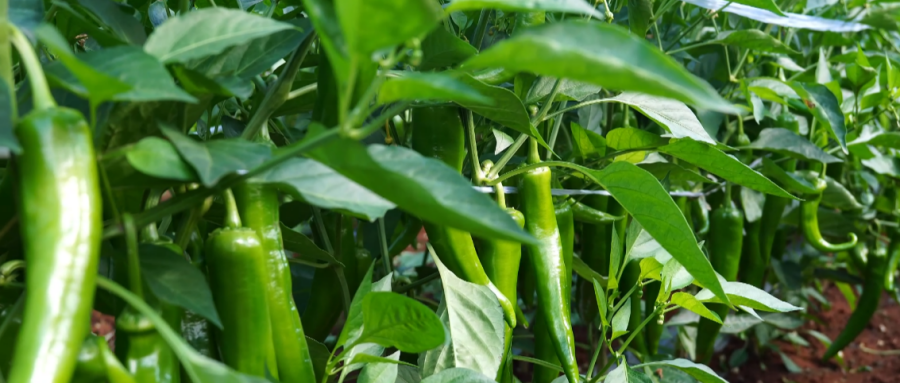
Significant yield increase: Compared to traditional planting methods, the average yield per mu of chili peppers has achieved a remarkable increase of 25%-40%. The main reasons for the increase are the improved fruit setting rate and the uniform expansion of fruits.
A leap in resource utilization efficiency:
Water conservation: The irrigation water consumption per mu has been reduced by 40%-60%, significantly enhancing the efficiency of water resource utilization.
Fertilizer saving: By delivering fertilizer directly to the root zone and supplying it as needed, the utilization rate of chemical fertilizer can be increased from about 30% to 65%-75%, resulting in a saving of more than 30% in total fertilizer input.
Achieving both quality and economic benefits:
The produced chili peppers have a more regular shape, brighter color, and thicker, higher-quality flesh, with the rate of commercial fruits increased by over 20%.
Due to the reduction of diseases (especially soil-borne and humidity-dependent diseases such as blight and anthracnose), a decrease in pesticide usage by approximately 25%, and labor cost savings of over 90% in irrigation and fertilization, the overall production cost has significantly decreased, resulting in a notable increase in net profit from planting.
Accurately matching needs and unlocking potential for yield increase: The root system of chili peppers is sensitive to water and fertilizer, especially during the flowering and fruiting period when the demand is intense and urgent. This system can deliver just the right amount of water and fertilizer directly to the roots at the time when the crop needs it most, just like "intravenous infusion". This eliminates the supply delays and waste associated with traditional methods, fully meets the needs during the critical reproductive growth period, and directly drives the optimization of yield components (number of fruits, single fruit weight).
Integrated water and fertilizer management is a "regulator" for quality and stress resistance:
Active disease prevention: Drip irrigation under mulch minimizes soil evaporation and leaf wetting, disrupting the breeding environment for high-humidity diseases and physically reducing the risk of disease occurrence.
Improving quality: By precisely increasing potassium fertilizer supply and regulating water during the fruit expansion period, it can effectively promote the accumulation of dry matter in fruits, enhance the spiciness, vitamin C content, and storage and transportation tolerance.
Addressing climate uncertainty and ensuring stable production: In the context of seasonal drought or uneven rainfall in Guangxi, this system can ensure a stable and uniform supply of water and fertilizer to peppers at any time, resist drought and flood stress, achieve stable annual production, and ensure a reliable supply chain.
The successful practice of the pepper base in Guangxi strongly demonstrates that the integrated application of "drip irrigation + precision fertilization" is not only a simple technological upgrade, but also a transformation of production methods. It fundamentally addresses the issues of resource waste and ecological pressure in traditional planting, guiding pepper cultivation towards a sustainable development path characterized by precision, standardization, and high efficiency.
Consultation