


- Home
- >
- Case
Zhanjiang Pitaya (Dragon Fruit) Plantation Case
Precision Drip Irrigation for Nurturing High-Value Crops
I. Base Overview and Precision Drip Irrigation Application Mode
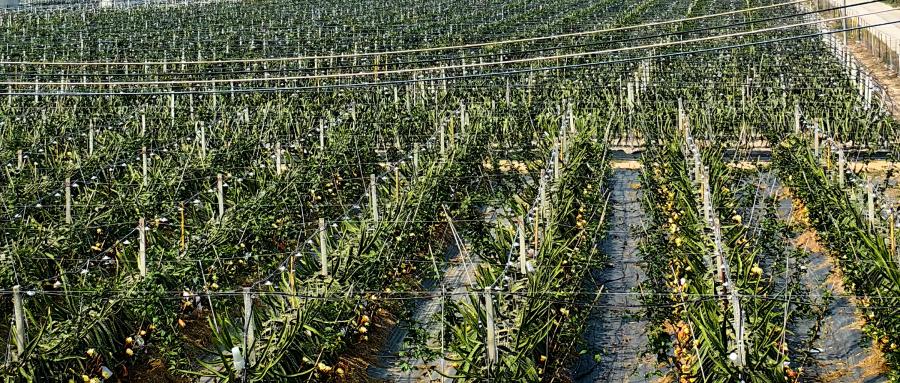
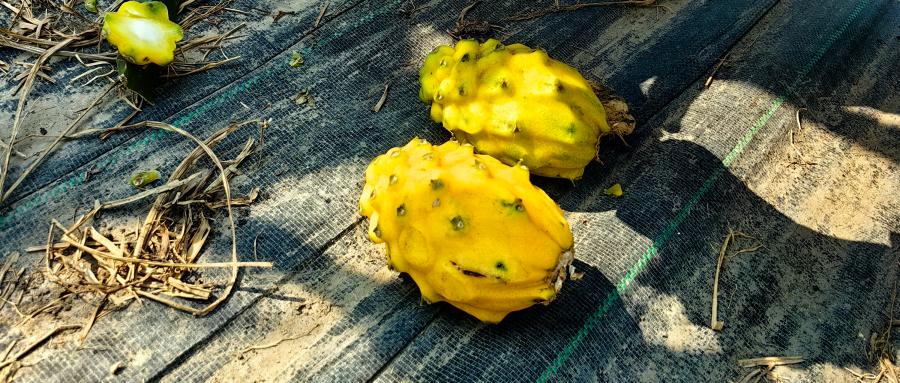
Located in Zhanjiang City, Guangdong Province, this project is a large-scale planting base for bird's nest fruit (yellow pitaya), covering an area of 60 acres. As the top variety of pitaya, bird's nest fruit has an extremely high market value, but it demands stringent precision in cultivation management, especially in water and nutrient supply. To this end, the base has comprehensively deployed a high-standard drip irrigation system centered on intelligent water-fertilizer integration.
1. System core configuration:
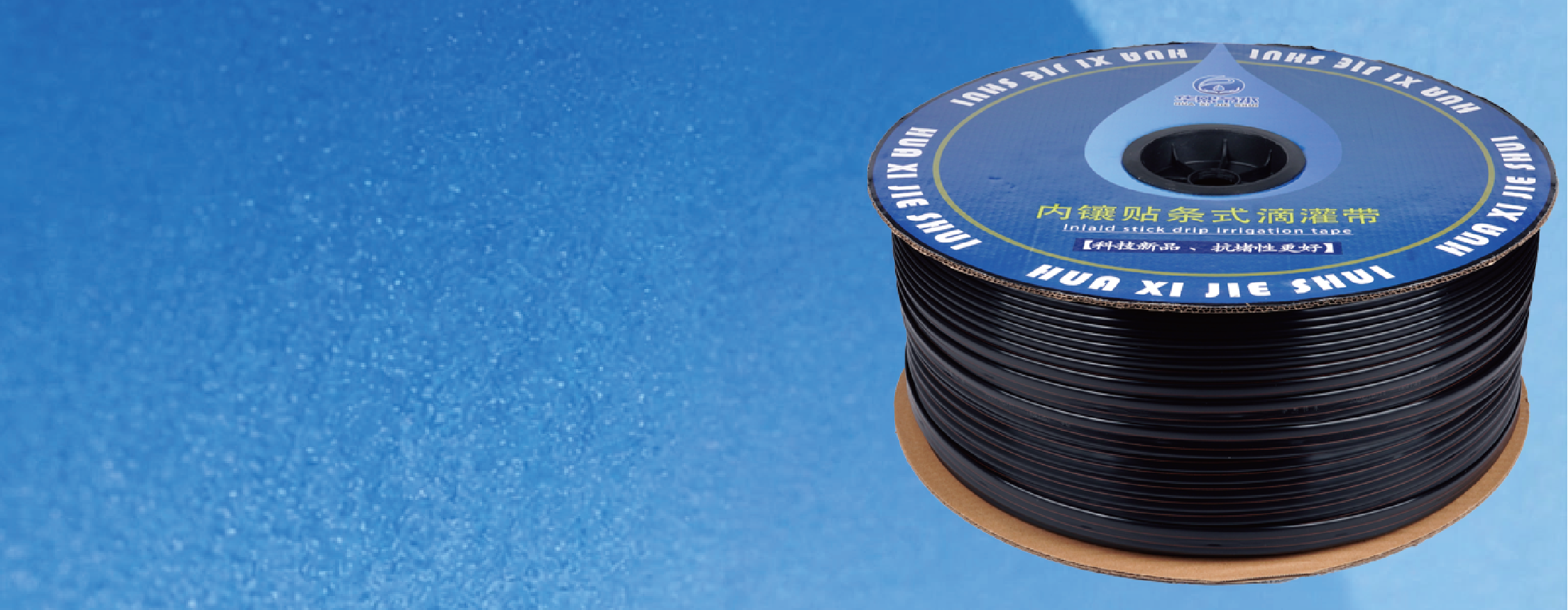
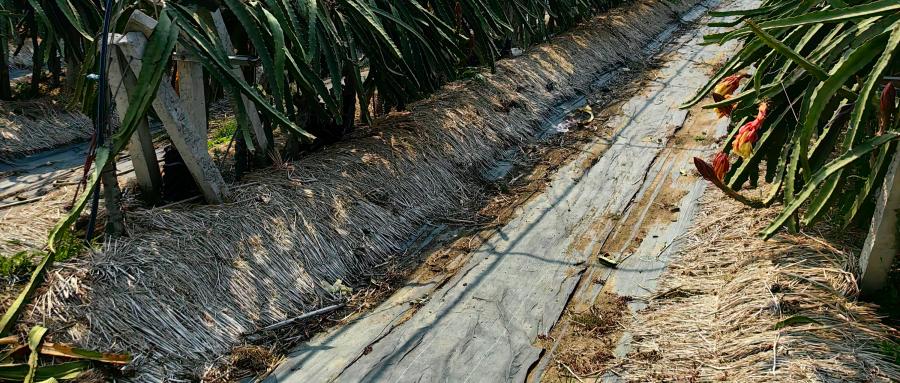
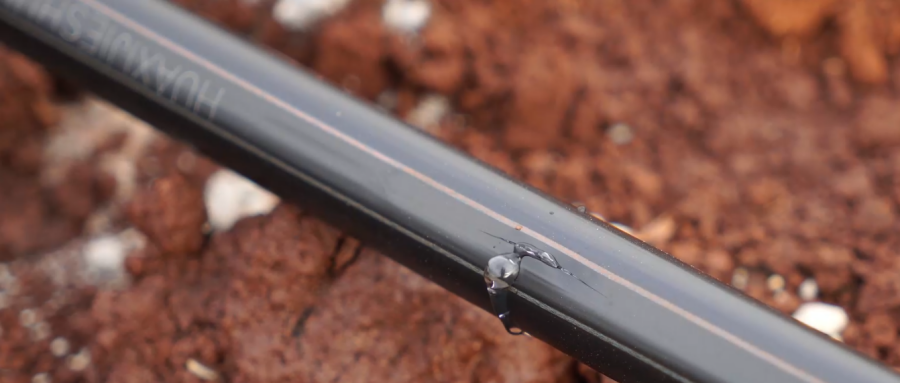
Irrigation network: A surrounding pipe layout scheme is adopted, with a drip irrigation belt laid along the bottom of each row of bird's nest fruit supports to ensure that the root zone of each fruit tree is evenly covered. The dripper is selected as a low-flow (such as 1-2 liters/hour) pressure compensation type to adapt to the possible gentle slope terrain in Zhanjiang and ensure uniform water supply.
Headworks: The system head is equipped with a two-stage filtration device consisting of a large-capacity sand filter and a laminated filter, effectively preventing the delicate root system of bird's nest fruit from experiencing water shortage due to clogged drip emitters. The core equipment is an imported proportional fertilizer pump or a venturi fertilizer applicator, which is precisely linked to the water source.
2. Precise management process:
Management is entirely centered around the phenological period of the bird's nest fruit, implementing the strategy of "formulating as needed, eating less but more frequently":
Pre-flowering vegetative period: Mainly use high nitrogen formulas to promote robust growth of branches, with a high frequency of drip irrigation to keep the soil moist.
Flowering and fruiting period: Switch to a high-potassium and high-calcium formula, strictly control the amount of irrigation water, and implement "moderate water stress" to concentrate nutrients to promote bud development, increase fruit setting rate, and enhance fruit sweetness.
Post-harvest period: Supplement with a complete nutrient formula to restore tree vigor and reduce irrigation frequency.
II. Key implementation effects and data
Since the comprehensive adoption of precision drip irrigation and integrated water-fertilizer management systems, the bird's nest fruit base has achieved significant and quantifiable improvements in agricultural production efficiency, resource conservation, and fruit quality.
In terms of water resource utilization: the system has achieved extremely high water-saving efficiency, with the annual irrigation water consumption per mu (a unit of area in China) stabilized at 200-250 cubic meters, saving more than 50% of water compared to conventional irrigation methods. This is attributed to the fact that drip irrigation directly delivers water to the roots of crops, significantly reducing surface evaporation and deep percolation.
In terms of fertilizer management: the integrated water and fertilizer technology has increased the effective utilization rate of fertilizer from approximately 30% in the traditional method to over 70%. Through on-demand and precise formula fertilization, while ensuring nutrient supply, the total fertilizer input in the base has been reduced by 30-40%, achieving the dual goals of efficient utilization and environmental protection.
The system has particularly prominent effects on promoting fruit yield and quality. The commercial fruit rate (single fruit weight ≥350 grams, sugar content ≥22°Brix) of the bird's nest fruit at the base has been stably maintained at a high level of over 85%. The average yield per mu has increased by 15-25% compared to the past, and the fruits are uniform in size, bright in color, and stable in sugar content, with a significant improvement in overall quality.
Furthermore, the precision irrigation management model has brought about significant ecological and economic benefits. By maintaining dry conditions between rows and a stable soil environment, it effectively suppresses weed growth and reduces the incidence of diseases such as stem rot by approximately 30%, correspondingly reducing pesticide use. In terms of labor costs, irrigation and fertilization operations have achieved high automation, resulting in a saving of over 95% in related labor costs.
III. Why is drip irrigation the preferred solution for high-value crops like bird's nest fruit?
For bird's nest fruit, adopting drip irrigation, especially integrated water and fertilizer drip irrigation, is an inevitable choice for its high-value cultivation. The core advantage lies in its ability to precisely match its physiological characteristics and directly enhance its quality.
Accurately matching the physiological characteristics of "shallow root system and high demand": The root system of bird's nest fruit is shallow, with limited absorption capacity and intolerance to drought and flood. Drip irrigation can continuously and stably deliver water and nutrients directly to its effective root zone, creating an ideal rhizosphere environment of "always moist and always absorbable", which is a level of precision management that traditional irrigation cannot achieve.
Integrated water and fertilizer management is the "core technological switch" for quality regulation: through the drip irrigation system, precise agronomic operations can be implemented. For example, during the late stage of fruit expansion, "regulated deficit irrigation" can be implemented by precisely reducing water supply, which can effectively induce sugar accumulation and enhance core sweetness. At the same time, nutrient formulas can be adjusted in real-time according to the growth stage, such as precisely increasing potassium fertilizer during the color change and sweetening period of fruits.
Ensure uniform irrigation and achieve precision down to each individual plant: The advantage of the drip irrigation system lies in its excellent hydraulic uniformity. By adopting pressure-compensating drip irrigation heads and scientific pipeline design, it can ensure that the water flow rate from the head to the tail of the branch pipe remains basically consistent. This fundamentally avoids the problem of "waterlogging near the source and drought far away" in traditional irrigation, ensuring that every bird's nest fruit tree within the 60-mu base can receive equal and timely water and fertilizer supply, laying a uniform physical foundation for overall high yield and high quality.
Conclusion: The drip irrigation system, through precise water and fertilizer supply and reliable uniformity, directly affects the life activities and ultimate commodity value formation of the bird's nest fruit, and is an indispensable "lifeline" project for maintaining its high economic value.
Consultation